
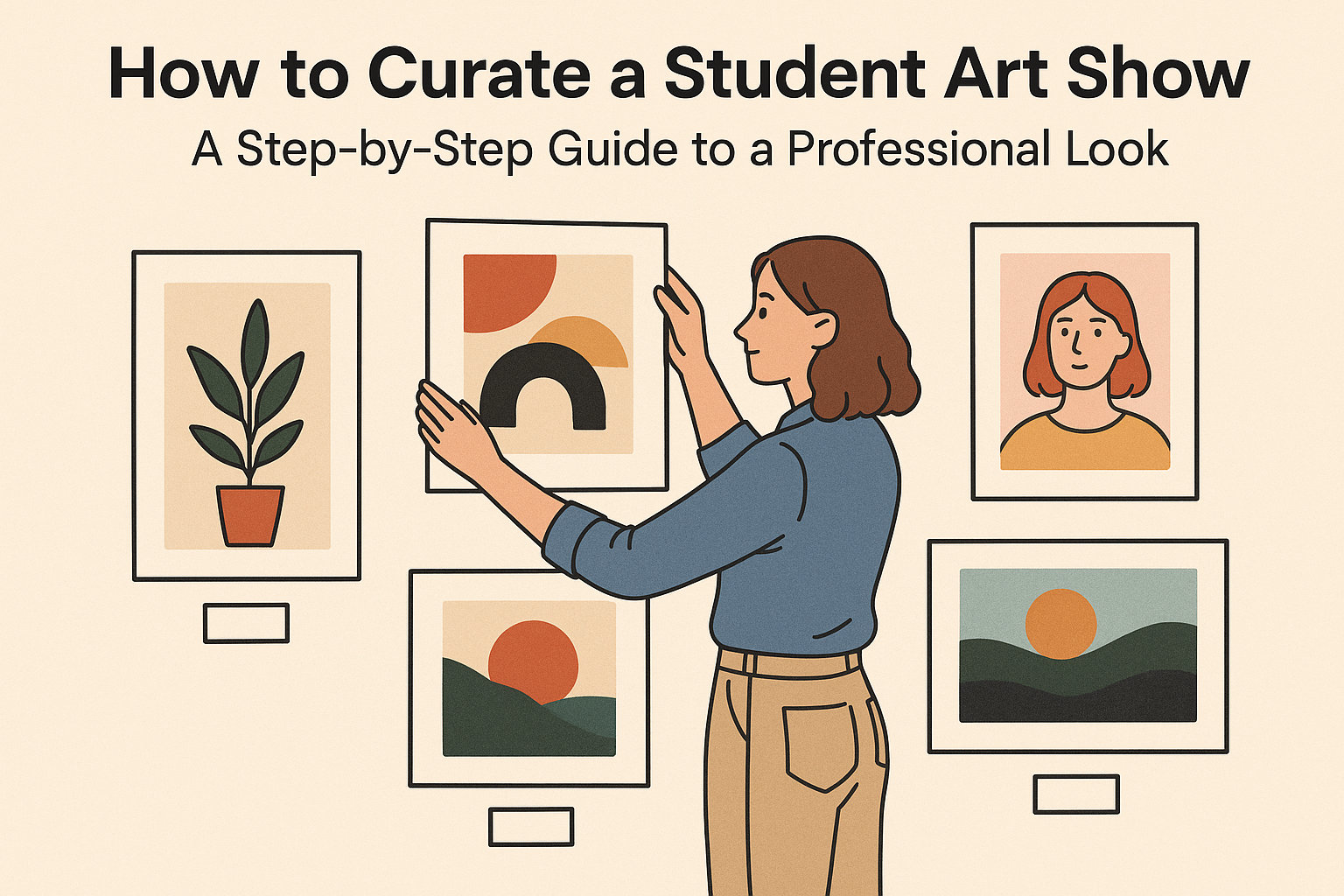
How to Curate a Student Art Show: A Step-by-Step Guide to a Professional Look
A student art show is more than just a display — it’s a celebration of creativity, growth, and achievement. Whether you’re organising an exhibition for a school, college, or university, the goal is always the same: make it look professional while showcasing the talent of young artists.
The secret to a polished, gallery-style event lies in smart planning, thoughtful curation, and the right infrastructure — especially your student exhibition walls, temporary art walls, and temporary exhibition walls.
Here’s a step-by-step guide to curating a student art show that feels cohesive, inspiring, and truly gallery-worthy.
1. Define the Purpose and Theme of the Exhibition
A strong exhibition begins with a clear concept.
Ask yourself:
What story do we want to tell?
Is there a theme connecting the work?
What should visitors feel as they move through the space?
A theme helps unify diverse student artworks and makes the exhibition feel intentional, not random.
2. Choose the Right Temporary Exhibition Walls
Your walls are the foundation of the entire show.
Classroom walls, hallways, and display boards rarely offer the clean, gallery-quality finish an art show deserves — which is why temporary exhibition walls or student exhibition walls are essential.
Look for walls that are:
Smooth and professional-looking
Freestanding (no damage to the venue)
Sturdy enough for heavy pieces
Configurable into different shapes
Easy to install quickly
These walls instantly elevate the space and allow student artwork to shine.
3. Plan the Layout and Flow
Professional exhibitions guide visitors naturally from one zone to the next.
Use your temporary art walls to create defined pathways and viewing areas.
Layout ideas:
A central feature wall for standout pieces
Linear walls for themed sections
Small alcoves for portfolios or sketchbook displays
Open areas for sculptures or 3D work
Good flow ensures visitors spend time with the work rather than feeling rushed or crowded.
4. Select the Work Carefully (Quality Over Quantity)
A professional-looking show doesn’t display everything — it showcases what represents the students best.
Consider:
Technical ability
Creativity and originality
Diversity of mediums
How pieces complement one another
A curated selection feels intentional and refined, even in a student setting.
5. Arrange Artwork at the Correct Height
The “gallery standard” hanging height is around 155–160cm to the centre of each piece.
Using this rule across all student exhibition walls gives your show a polished, cohesive feel.
Tips:
Keep spacing consistent
Align frames and canvases cleanly
Avoid clutter and overcrowding
Small details make a big difference.
6. Create a Professional Visual Hierarchy
Visitors should be able to understand the exhibition at a glance.
Use your temporary exhibition walls to create strong visual structure.
Try:
A hero piece at the entrance
Thematic groups along each wall
Colour-coordinated sections
Contrasting large and small works
Spotlight areas for final-year or standout students
Hierarchy helps people connect with the artwork more easily.
7. Use Proper Lighting to Elevate the Artwork
Lighting can instantly transform the quality of an exhibition.
If your venue lacks good lighting, consider renting additional LED spotlights or integrated lighting for your temporary walls.
Good lighting should:
Highlight texture and colour
Avoid harsh shadows
Make artwork look vibrant and clear
Even simple lighting upgrades can make student work look gallery-ready.
8. Add Labels and Artist Statements
Professional exhibitions always include:
Title cards
Artist names
Mediums
Short descriptions or statements
These small additions help visitors understand the work and appreciate the students’ creative process.
9. Incorporate Digital or Interactive Elements
Modern student art shows often include digital media such as:
Video installations
Digital painting screens
Projection work
QR codes linking to portfolios
Your temporary art walls can easily be adapted to hold screens or mounted devices, allowing for a multi-disciplinary experience.
10. Make Space for Community and Celebration
A student art show is also an important community event.
Leave room for:
A welcome area
Photo spaces
Group discussions
Live demonstrations
Award presentations
Thoughtful planning ensures the exhibition feels both professional and celebratory.
11. Keep the Event Sustainable
Use reusable temporary exhibition walls, digital signage, and minimal print materials to reduce waste.
Temporary walls are perfect for schools because they can be reused for:
Open days
Performances
Other exhibitions
Classroom events
It’s an eco-friendly and budget-friendly solution.
12. Evaluate and Photograph the Final Display
Once the show is set up:
Walk through it as a visitor
Check sightlines
Adjust any uneven hanging
Photograph the exhibition for future promotion or student portfolios
A well-documented show can inspire next year’s students and attract future visitors.
Conclusion: Professional Quality Starts With the Right Walls and Planning
Curating a student art show doesn’t require a massive budget — it requires the right approach.
By using clean, modular student exhibition walls, planning thoughtful layouts, and focusing on flow and presentation, you can transform even the simplest venue into a stunning gallery space.
With the right structure, student creativity can shine at its full potential.
Create a Gallery-Quality Student Exhibition With Us
We supply temporary art walls, student exhibition walls, and temporary exhibition wall systems designed to make any school or university art show look fully professional.
From delivery to installation, we make creating a polished display easy and affordable.
👉 Get in touch today to plan your next student exhibition with expert support.